
Biography
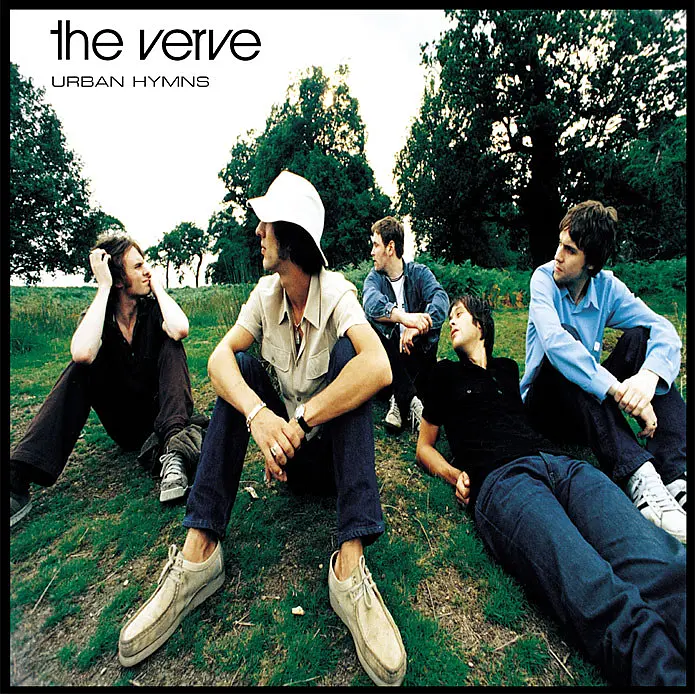
Urban Hymns crossed midnight mass emotion with Manchester-scene fatigue.
The Drugs Don’t Work counterpoint proved fragility beside orchestral storm.
Line-up fractures couldn’t erase influence on post-Britpop confessionals.
High-bitrate streams separate orchestra beds, wall-of-guitar haze, and vocal plate.
Fan chronicles and reference guides both treat The Verve as a useful landmark when tracing how Britpop, alternative rock, space rock moved through radio markets and touring economics.
When headphones replace phone speakers, subtle details in The Verve's arrangements—double-tracked guitars, room ambience, bass note choices—tend to step forward.
Studio craft around The Verve—layering, balance, tone—comes through more honestly when streams avoid aggressive loudness squeeze; that is one reason their tracks suit higher-bitrate listening.
For late-night listening, The Verve offers enough detail to stay alert and enough groove to relax—an undeclared balance many rock stations aim for.
Age has not diminished interest in The Verve for listeners who treat rock as a long thread rather than a single season's fashion.
On human-curated rock formats, The Verve often appears alongside peers who share chart timelines, tour circuits, or production aesthetics—context that makes individual songs feel part of a larger conversation.
The Verve sits comfortably in Britpop, alternative rock, space rock programming where guitars, vocals, and rhythm section share the spotlight rather than crowding each other out.
Sound-system shopping and stream-quality debates come back to the same question: does the recording breathe? The Verve's better-known masters usually answer yes.
New Clear Radio streams curated rock-focused programming with quality up to 320kbps—ideal for hearing guitar-driven records with depth and punch.
Interesting facts about The Verve
- English rock band formed in Wigan in 1990 led by Richard Ashcroft.
- Urban Hymns (1997) included Bitter Sweet Symphony and The Drugs Don’t Work.
- Bitter Sweet Symphony reached number two on the UK Singles Chart in 1997.