
Biography
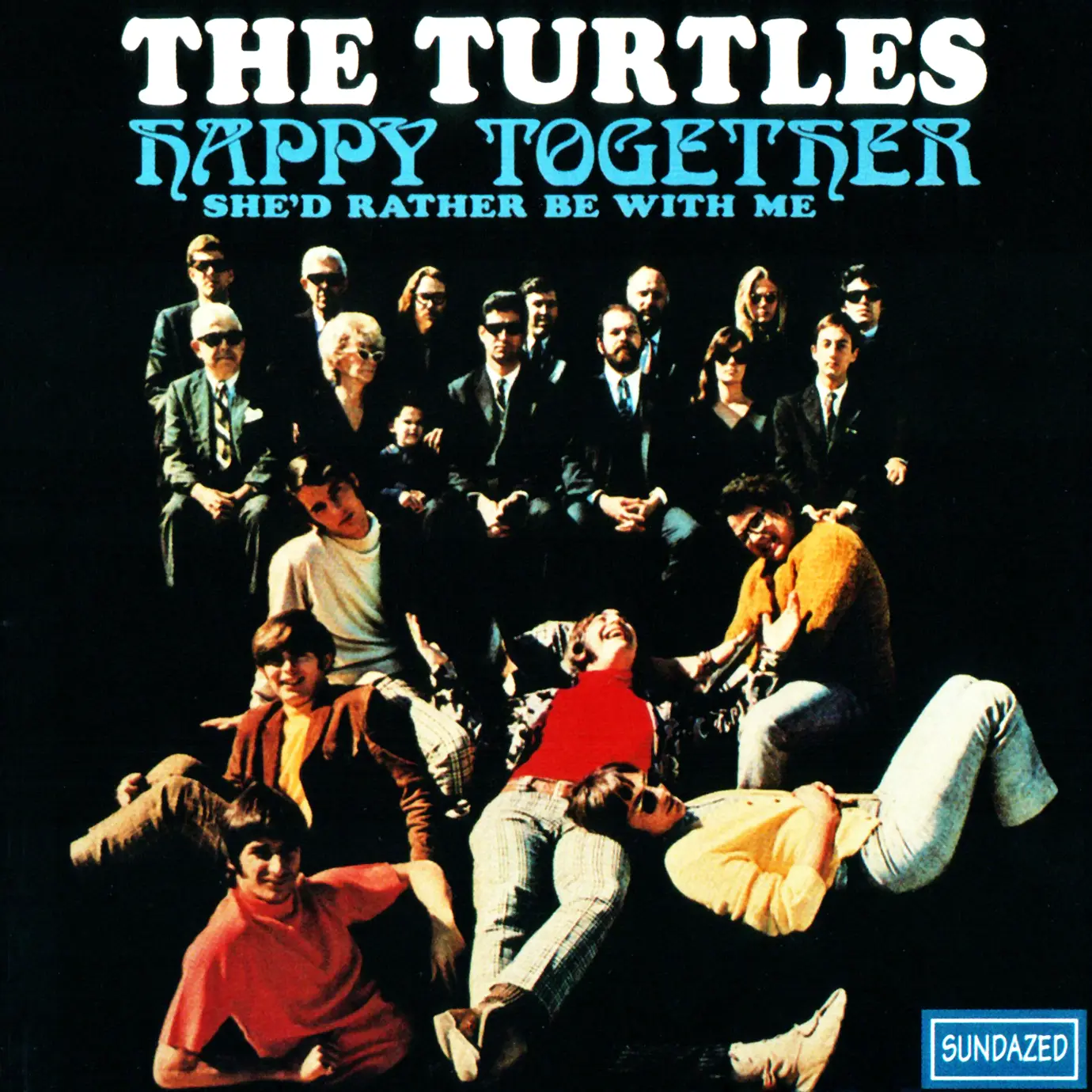
Happy Together knocked Beatles-adjacent pressure off the top perch briefly yet memorably.
Elenore lampooned label pressure with meta lyric wit ahead of its time.
Howard Kaylan and Mark Volman harmonies became template for sunshine pop.
High-bitrate streams reveal string session micro-dynamics and bass drag warmth.
Great Psychedelic pop, folk rock radio moments depend on contrast; The Turtles supplies colour that reads as intentional rather than accidental.
Radio sequencing favours acts like The Turtles when a presenter needs a bridge between heavier riff sections and more lyrical, breathable moments.
Even if individual singles peaked at different moments, The Turtles's core identity on record tends to remain identifiable—a useful anchor for discovery.
Festivals and club bills once placed The Turtles next to louder neighbours; on record, the contrast often highlights how tightly their arrangements are controlled.
For many fans, The Turtles represents a chapter of rock history you can revisit without irony: enthusiasm, melody, and personality that aged into repertoire rather than novelty.
The Turtles illustrates how rock dialects traded ideas across regions: rhythm, accent, harmonic colour, and studio philosophy bleeding into shared playlists.
From a playlist-design perspective, The Turtles handles tempo lifts and cooldowns equally well, which keeps them versatile on human-curated channels.
If you are new to The Turtles, start with whatever single or opening track hooked your era first; the rest of the catalogue usually reveals the same attention to pacing and refrain.
New Clear Radio streams curated rock-focused programming with quality up to 320kbps—ideal for hearing guitar-driven records with depth and punch.
Interesting facts about The Turtles
- American rock band formed in Los Angeles in 1965 featuring Howard Kaylan and Mark Volman.
- Happy Together (1967) reached number one on the US Billboard Hot 100.
- Inducted into the Grammy Hall of Fame for Happy Together.