
Biography
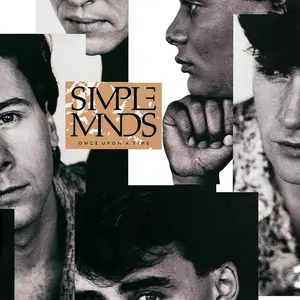
Sparkle in the Rain and Once Upon a Time sharpened hooks for transatlantic lift.
Don’t You (Forget About Me) welded Breakfast Club myth to permanent mix-tape status.
Live iterations stretch arrangements without losing locomotive bass locks.
High-bitrate streams preserve DX layers, tom cannon, and choir-sized reverbs.
Programmers pairing deep cuts with hits from Simple Minds can illustrate how an act evolved while keeping a recognisable musical signature.
Whether you met Simple Minds through radio, film syncs, or friends' mixtapes, the act's imprint on Rock, new wave, synth-pop remains a common reference across generations.
The emotional register in much of Simple Minds's work lands in a range rock radio still programmes daily: sincere without feeling like a lecture.
Great Rock, new wave, synth-pop radio moments depend on contrast; Simple Minds supplies colour that reads as intentional rather than accidental.
Radio sequencing favours acts like Simple Minds when a presenter needs a bridge between heavier riff sections and more lyrical, breathable moments.
Even if individual singles peaked at different moments, Simple Minds's core identity on record tends to remain identifiable—a useful anchor for discovery.
Festivals and club bills once placed Simple Minds next to louder neighbours; on record, the contrast often highlights how tightly their arrangements are controlled.
For many fans, Simple Minds represents a chapter of rock history you can revisit without irony: enthusiasm, melody, and personality that aged into repertoire rather than novelty.
New Clear Radio streams curated rock-focused programming with quality up to 320kbps—ideal for hearing guitar-driven records with depth and punch.
Interesting facts about Simple Minds
- Scottish rock band formed in Glasgow in 1977; Jim Kerr is lead vocalist.
- Once Upon a Time (1985) included Alive and Kicking and Sanctify Yourself.
- Don’t You (Forget About Me) (1985) reached number one on the US Billboard Hot 100.