
Biography
Frogstomp channelled Seattle fog through adolescent lungs and surprisingly mature grooves.
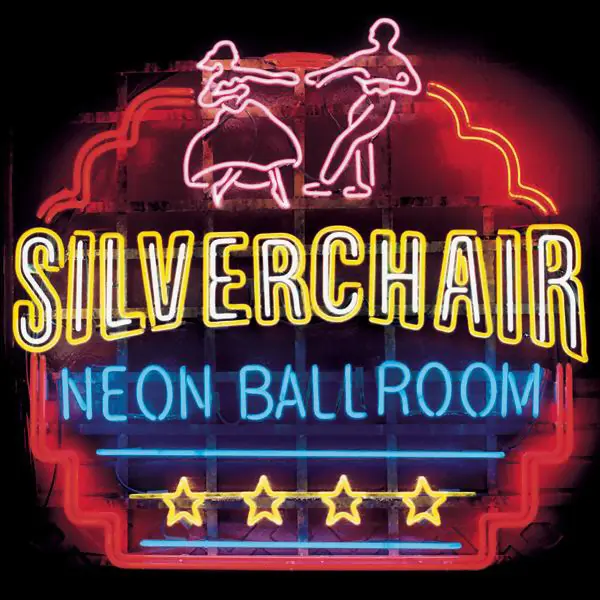
Neon Ballroom and Diorama pursued orchestration and glam psychology.
Daniel Johns’ evolving guitar vocabulary kept critics guessing album to album.
Lossless streams expose cello layers, phase-shift guitars, and room-sized drums.
The emotional register in much of Silverchair's work lands in a range rock radio still programmes daily: sincere without feeling like a lecture.
Great Grunge, alternative rock, art rock radio moments depend on contrast; Silverchair supplies colour that reads as intentional rather than accidental.
Radio sequencing favours acts like Silverchair when a presenter needs a bridge between heavier riff sections and more lyrical, breathable moments.
Even if individual singles peaked at different moments, Silverchair's core identity on record tends to remain identifiable—a useful anchor for discovery.
Festivals and club bills once placed Silverchair next to louder neighbours; on record, the contrast often highlights how tightly their arrangements are controlled.
For many fans, Silverchair represents a chapter of rock history you can revisit without irony: enthusiasm, melody, and personality that aged into repertoire rather than novelty.
Silverchair illustrates how rock dialects traded ideas across regions: rhythm, accent, harmonic colour, and studio philosophy bleeding into shared playlists.
From a playlist-design perspective, Silverchair handles tempo lifts and cooldowns equally well, which keeps them versatile on human-curated channels.
New Clear Radio streams curated rock-focused programming with quality up to 320kbps—ideal for hearing guitar-driven records with depth and punch.
Interesting facts about Silverchair
- Australian rock band formed in Newcastle in 1992 while members were teenagers.
- Frogstomp (1995) included Tomorrow and Abuse Me as breakout international tracks.
- Diorama (2002) debuted at number one on the ARIA Albums Chart with ambitious production.