
Biography
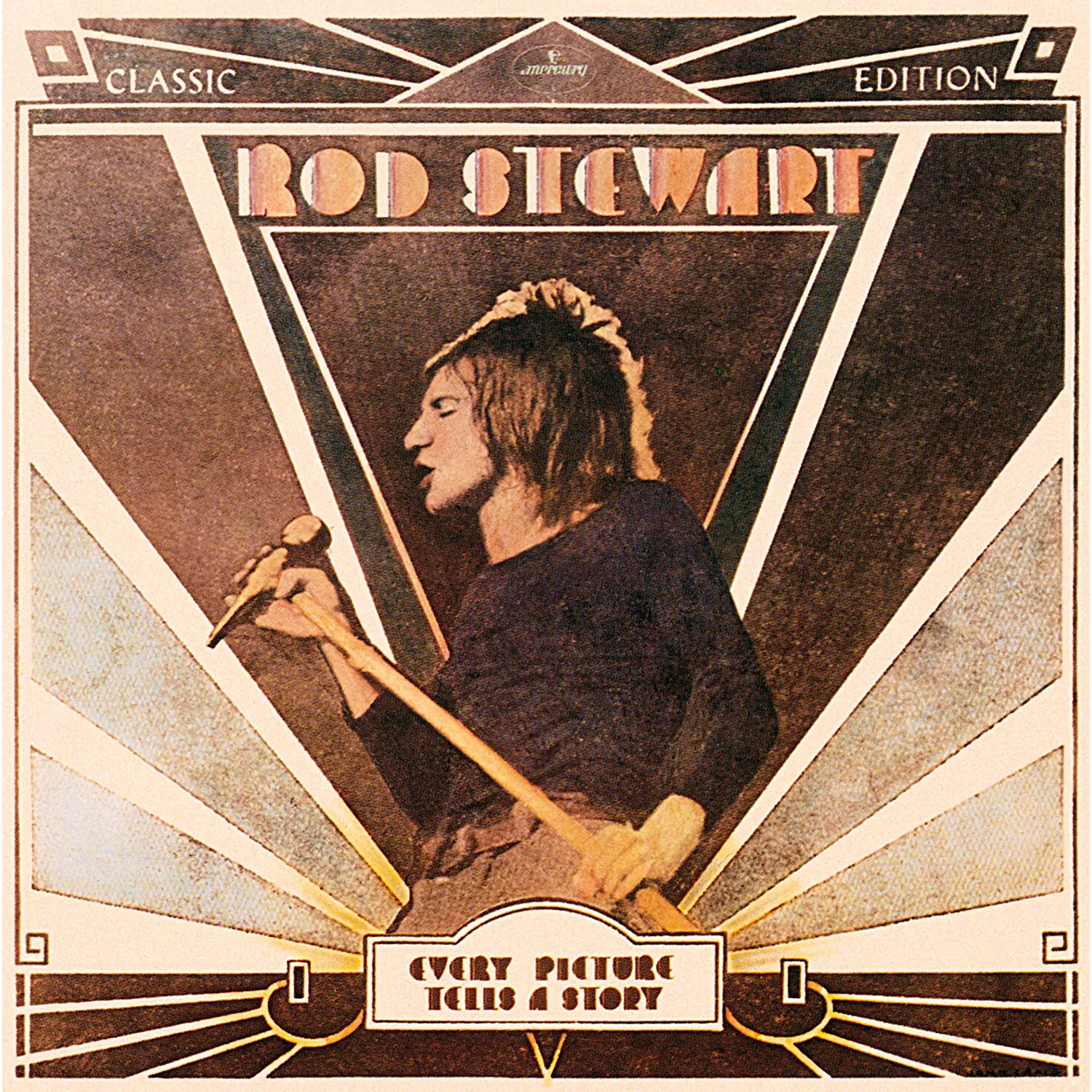
Every Picture Tells a Story crowned a folk-rock story-singer for the 1970s.
Great American Songbook era revealed interpretive discipline beneath rock persona.
Residencies and tours underline marathon voice maintenance across decades.
High-bitrate streams keep acoustic strum air, horn section punch, and harmonica bite.
When DJs programme Rod Stewart, they are leaning on material that still reads as song-driven rather than novelty-driven within Rock, pop, soul.
Rod Stewart remains a touchstone in polite arguments among friends over desert-island discographies.
The emotional honesty associated with Rod Stewart lands differently depending on the hour—commute energy versus reflective night listening.
Anthology-style programming that pairs hits with deeper cuts from Rod Stewart tends to satisfy both casual and studious listeners.
Rod Stewart often functions as a gateway for listeners expanding from mainstream pop into rock-leaning playlists.
High-bitrate streaming benefits vocal-led Rock, pop, soul performances like Rod Stewart's when consonants, breath, and room tone stay audible.
Comparing earlier and later eras of Rod Stewart is less about ranking and more about hearing how priorities shifted as experience accumulated.
Radio formats that still value craft over novelty keep room for Rod Stewart, especially when audiences want human voices up front.
New Clear Radio streams curated rock-focused programming with quality up to 320kbps—ideal for hearing guitar-driven records with depth and punch.
Interesting facts about Rod Stewart
- British rock singer born in London; rose via The Jeff Beck Group and Faces before solo stardom.
- Every Picture Tells a Story (1971) included Maggie May as a transatlantic hit.
- Knighted in 2016 for services to music and charity.