
Biography
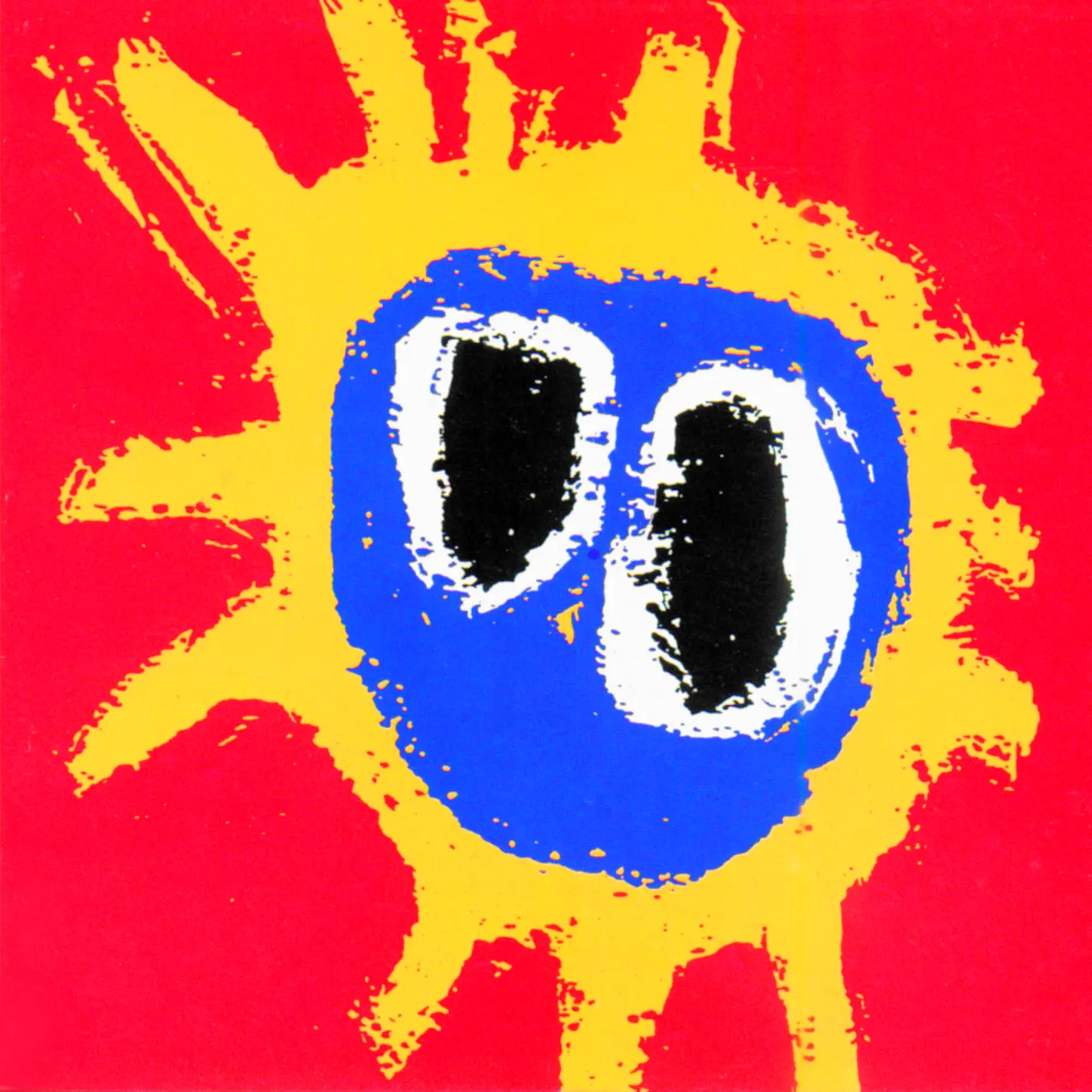
Screamadelica won the Mercury Prize in 1992 and recalibrated UK rock radio possibilities.
Rocks returned guitar heroism after electronic detour without apology.
Bobby Gillespie’s vocal fragility contrasts thunderous production highs.
Lossless streams expose dub delays, tape hiss overlays, and vinyl sample crunch.
For late-night listening, Primal Scream offers enough detail to stay alert and enough groove to relax—an undeclared balance many rock stations aim for.
Age has not diminished interest in Primal Scream for listeners who treat rock as a long thread rather than a single season's fashion.
On human-curated rock formats, Primal Scream often appears alongside peers who share chart timelines, tour circuits, or production aesthetics—context that makes individual songs feel part of a larger conversation.
Primal Scream sits comfortably in Alternative rock, indie rock, dance-rock programming where guitars, vocals, and rhythm section share the spotlight rather than crowding each other out.
Sound-system shopping and stream-quality debates come back to the same question: does the recording breathe? Primal Scream's better-known masters usually answer yes.
Crate-digging and nostalgia both point toward Primal Scream for different reasons—either sharp melodies or period texture—yet the through-line is durable songwriting.
Within Alternative rock, indie rock, dance-rock, Primal Scream is frequently associated with confident melodic choices—material that still reads clearly on a modest car speaker yet opens up on headphones.
Turning points in Primal Scream's catalogue—line-up shifts, production changes, bolder experiments—are easier to appreciate when tracks are heard in sequence rather than shuffled blindly.
New Clear Radio streams curated rock-focused programming with quality up to 320kbps—ideal for hearing guitar-driven records with depth and punch.
Interesting facts about Primal Scream
- Scottish rock band formed in Glasgow in 1982 led by Bobby Gillespie.
- Screamadelica (1991) won the Mercury Prize for Album of the Year in 1992.
- Movin' On Up and Loaded became era-defining UK alternative-dance crossover tracks.