
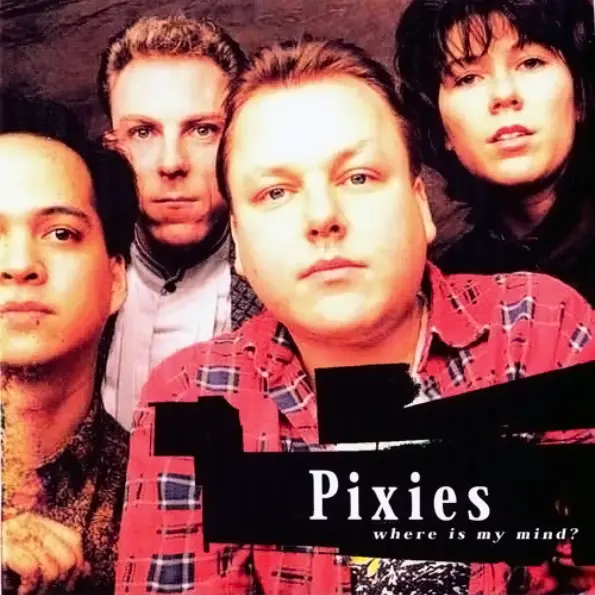
Biography
Surfer Rosa and Doolittle blueprinted tension-release for a generation.
Kim Deal bass hooks gave harmonic counterweight to Francis freakouts.
Reunion touring proved catalog indestructible despite decades off.
High-bitrate streams expose room bleed, broken-speaker fuzz, and breath inhalations.
Pixies sits comfortably in Alternative rock, indie rock programming where guitars, vocals, and rhythm section share the spotlight rather than crowding each other out.
Sound-system shopping and stream-quality debates come back to the same question: does the recording breathe? Pixies's better-known masters usually answer yes.
Crate-digging and nostalgia both point toward Pixies for different reasons—either sharp melodies or period texture—yet the through-line is durable songwriting.
Within Alternative rock, indie rock, Pixies is frequently associated with confident melodic choices—material that still reads clearly on a modest car speaker yet opens up on headphones.
Turning points in Pixies's catalogue—line-up shifts, production changes, bolder experiments—are easier to appreciate when tracks are heard in sequence rather than shuffled blindly.
Cover versions, collaborations, and B-sides from Pixies can illuminate influences without requiring a thesis: you hear the filter they apply to familiar rock traditions.
Programmers pairing deep cuts with hits from Pixies can illustrate how an act evolved while keeping a recognisable musical signature.
Whether you met Pixies through radio, film syncs, or friends' mixtapes, the act's imprint on Alternative rock, indie rock remains a common reference across generations.
New Clear Radio streams curated rock-focused programming with quality up to 320kbps—ideal for hearing guitar-driven records with depth and punch.
Interesting facts about Pixies
- American rock band formed in Boston, Massachusetts in 1986 fronted by Black Francis.
- Doolittle (1989) included Here Comes Your Man and Monkey Gone to Heaven.
- Influence cited by Nirvana and numerous alternative acts in interviews across the 1990s.