
Biography
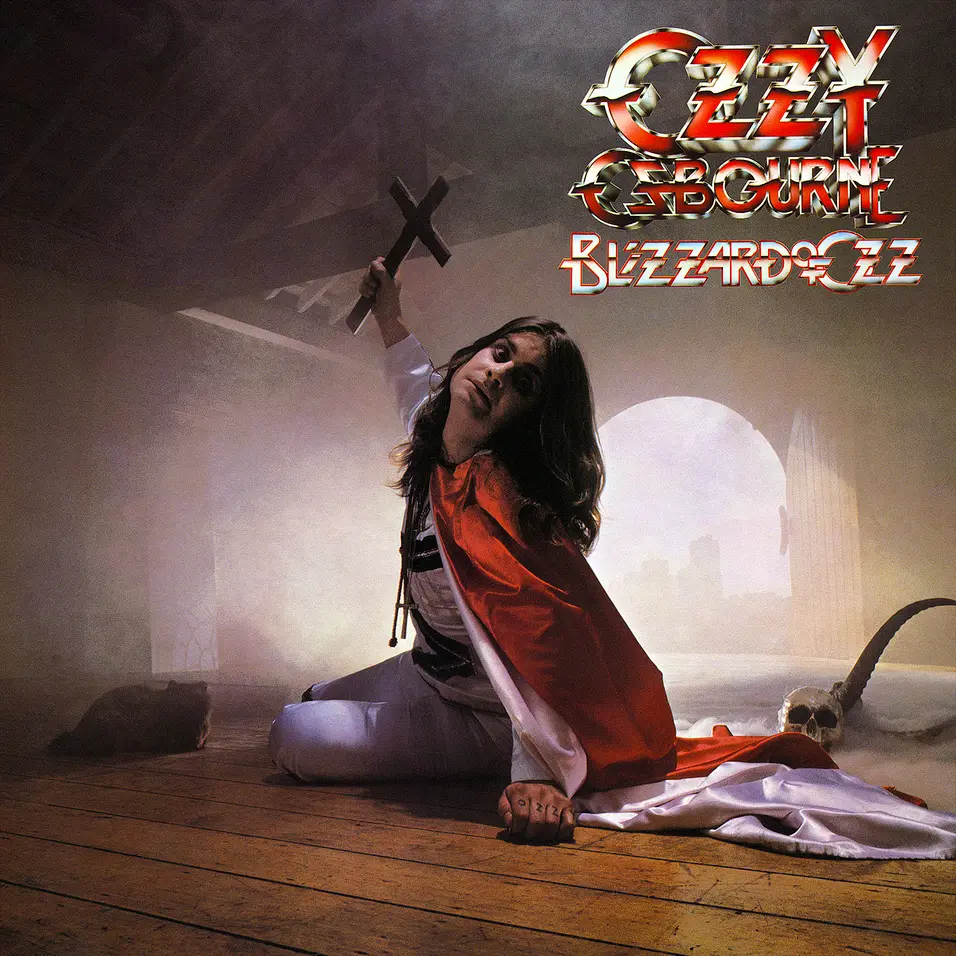
Blizzard of Ozz and Diary of a Madman proved sharp songs beyond Sabbath shadow.
Reality-TV era introduced him to broader pop culture without erasing metal roots.
Farewell touring chapters underlined cross-generational devotion.
Lossless streams expose Randy Rhoads-era harmonic detail and modern mix weight.
Comparing earlier and later eras of Ozzy Osbourne is less about ranking and more about hearing how priorities shifted as experience accumulated.
Radio formats that still value craft over novelty keep room for Ozzy Osbourne, especially when audiences want human voices up front.
Genre labels only partially describe Ozzy Osbourne; the practical test is whether the next track still surprises you on the third repeat.
On longer listening sessions, Ozzy Osbourne's catalogue reveals pacing decisions that prevent fatigue: not every track aims for the same emotional peak.
Songwriting credits and production notes around Ozzy Osbourne tell a parallel story about collaboration—worth exploring once the singles feel familiar.
For discovery-focused rock streams, Ozzy Osbourne is a natural recommendation when someone asks for melody-led material with live-band weight.
Ozzy Osbourne exemplifies how solo artistry and session musicianship can blend: polish when needed, grit when the lyric demands it.
Listeners revisiting Ozzy Osbourne after years away frequently notice harmonic details hiding under familiar choruses.
New Clear Radio streams curated rock-focused programming with quality up to 320kbps—ideal for hearing guitar-driven records with depth and punch.
Interesting facts about Ozzy Osbourne
- English singer born in Birmingham; co-founded Black Sabbath before a major solo career.
- Blizzard of Ozz (1980) included Crazy Train among defining early solo tracks.
- Inducted into the Rock and Roll Hall of Fame as a member of Black Sabbath (2006 class).