
Biography
No Tomorrow became a chart earworm capitalizing on bright guitars and handclaps.
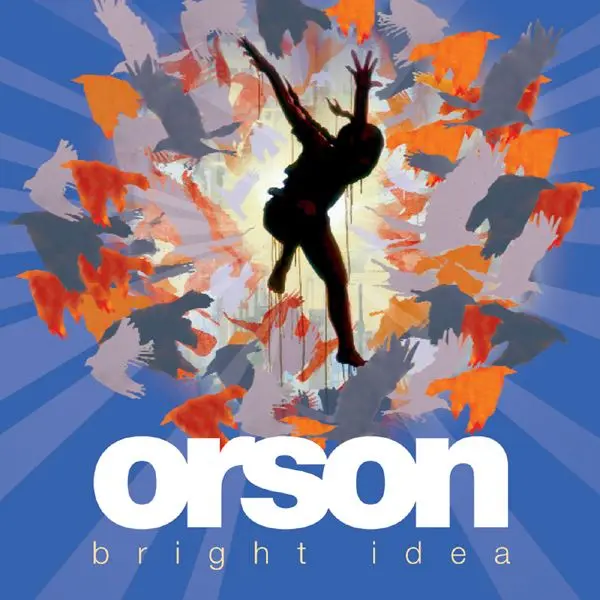
Bright Idea album chased classic-rock radio textures with modern mix sheen.
British market traction included BRIT Awards recognition during mid-2000s guitar-pop wave.
High-bitrate streams reveal tambourine shimmer, tube amp grind, and vocal belt clarity.
From a playlist-design perspective, Orson handles tempo lifts and cooldowns equally well, which keeps them versatile on human-curated channels.
If you are new to Orson, start with whatever single or opening track hooked your era first; the rest of the catalogue usually reveals the same attention to pacing and refrain.
Listeners who discover Orson through a curated stream often stay for song-first writing: hooks you can recall after one pass, dynamics that reward turning the volume up modestly.
Fan chronicles and reference guides both treat Orson as a useful landmark when tracing how Rock, power pop moved through radio markets and touring economics.
When headphones replace phone speakers, subtle details in Orson's arrangements—double-tracked guitars, room ambience, bass note choices—tend to step forward.
Studio craft around Orson—layering, balance, tone—comes through more honestly when streams avoid aggressive loudness squeeze; that is one reason their tracks suit higher-bitrate listening.
For late-night listening, Orson offers enough detail to stay alert and enough groove to relax—an undeclared balance many rock stations aim for.
Age has not diminished interest in Orson for listeners who treat rock as a long thread rather than a single season's fashion.
New Clear Radio streams curated rock-focused programming with quality up to 320kbps—ideal for hearing guitar-driven records with depth and punch.
Interesting facts about Orson
- American rock band formed in Hollywood, California; rose to prominence in the mid-2000s.
- No Tomorrow (2006) reached number one on the UK Singles Chart.
- Won the Brit Award for International Breakthrough Act in 2007.