
Biography
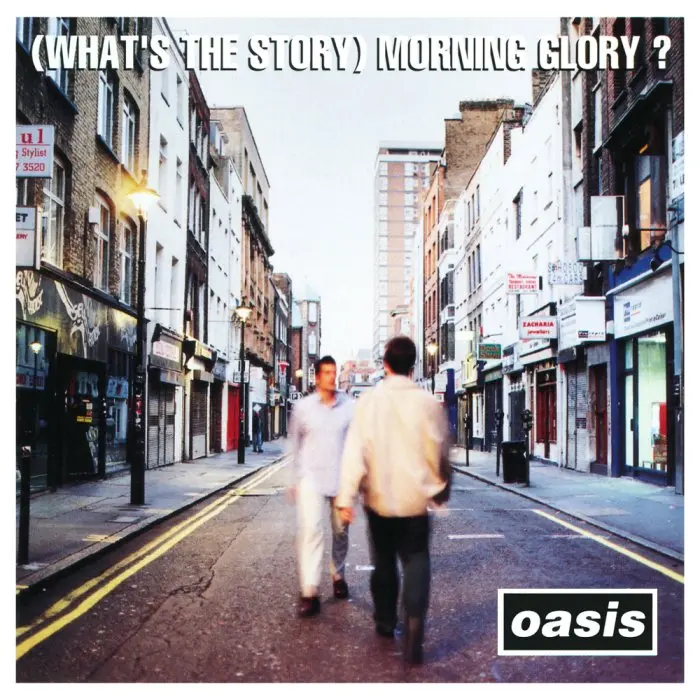
Definitely Maybe bottled urgency; (What’s the Story) Morning Glory? owned the mid-90s skyline.
Wonderwall and Don’t Look Back in Anger became communal scripts well beyond Britpop’s borders.
B-sides cult proved prolific hooks lived outside album slots.
Lossless streams expose tape-style drum rooms, string beds, and vocal doubles.
Within Britpop, alternative rock, Oasis is frequently associated with confident melodic choices—material that still reads clearly on a modest car speaker yet opens up on headphones.
Turning points in Oasis's catalogue—line-up shifts, production changes, bolder experiments—are easier to appreciate when tracks are heard in sequence rather than shuffled blindly.
Cover versions, collaborations, and B-sides from Oasis can illuminate influences without requiring a thesis: you hear the filter they apply to familiar rock traditions.
Programmers pairing deep cuts with hits from Oasis can illustrate how an act evolved while keeping a recognisable musical signature.
Whether you met Oasis through radio, film syncs, or friends' mixtapes, the act's imprint on Britpop, alternative rock remains a common reference across generations.
The emotional register in much of Oasis's work lands in a range rock radio still programmes daily: sincere without feeling like a lecture.
Great Britpop, alternative rock radio moments depend on contrast; Oasis supplies colour that reads as intentional rather than accidental.
Radio sequencing favours acts like Oasis when a presenter needs a bridge between heavier riff sections and more lyrical, breathable moments.
New Clear Radio streams curated rock-focused programming with quality up to 320kbps—ideal for hearing guitar-driven records with depth and punch.
Interesting facts about Oasis
- English rock band formed in Manchester in 1991 led by Noel and Liam Gallagher.
- (What’s the Story) Morning Glory? (1995) included Wonderwall and Don’t Look Back in Anger.
- One of the best-selling British acts worldwide by album certifications.