
Biography
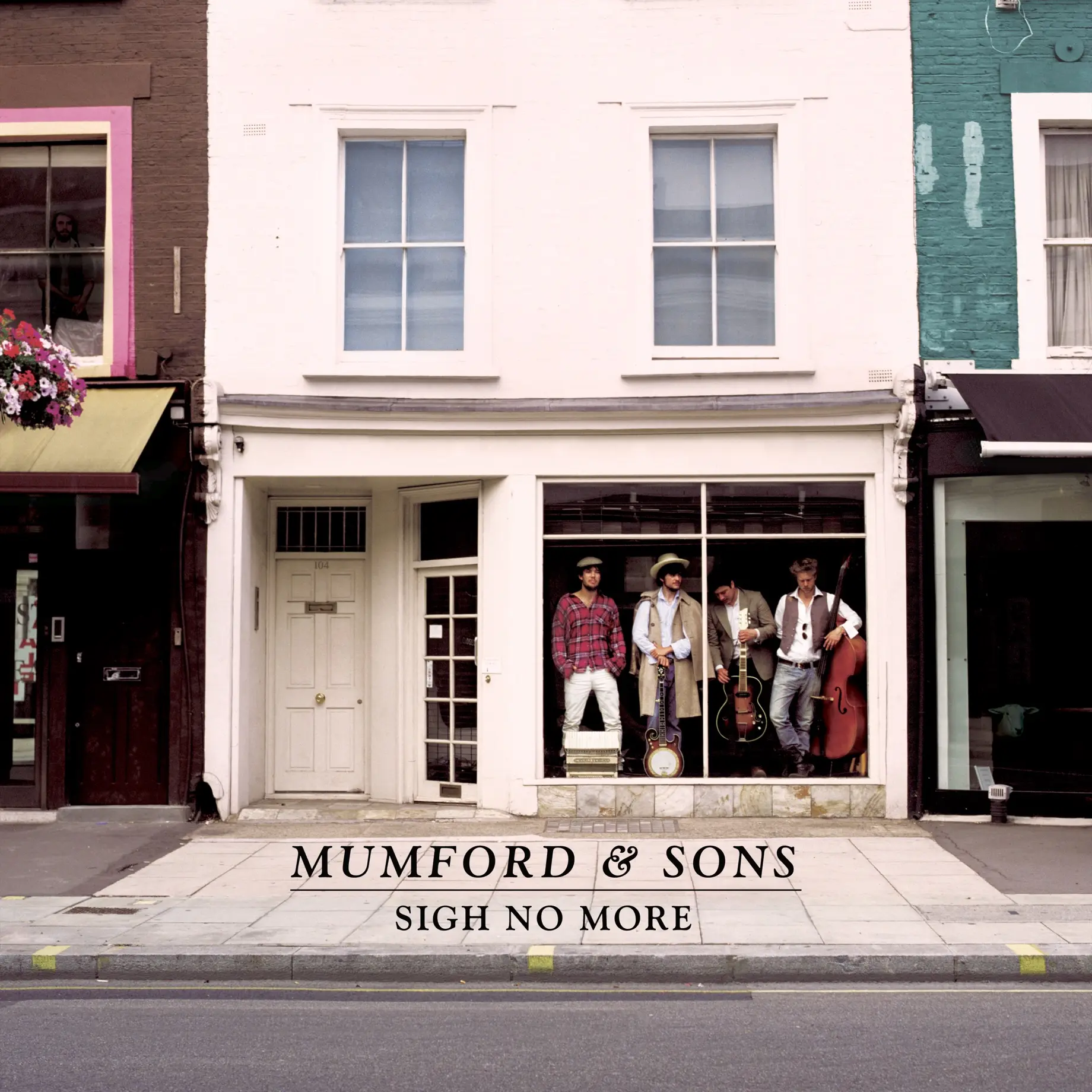
Sigh No More translated punk-show energy into acoustic instrumentation.
Babel expanded electric palettes while keeping chant-along instincts.
Later albums embraced groove and synth without abandoning melodic heart.
Lossless streams keep banjo transients, accordion wheeze, and crowd-sized reverb.
Even if individual singles peaked at different moments, Mumford & Sons's core identity on record tends to remain identifiable—a useful anchor for discovery.
Festivals and club bills once placed Mumford & Sons next to louder neighbours; on record, the contrast often highlights how tightly their arrangements are controlled.
For many fans, Mumford & Sons represents a chapter of rock history you can revisit without irony: enthusiasm, melody, and personality that aged into repertoire rather than novelty.
Mumford & Sons illustrates how rock dialects traded ideas across regions: rhythm, accent, harmonic colour, and studio philosophy bleeding into shared playlists.
From a playlist-design perspective, Mumford & Sons handles tempo lifts and cooldowns equally well, which keeps them versatile on human-curated channels.
If you are new to Mumford & Sons, start with whatever single or opening track hooked your era first; the rest of the catalogue usually reveals the same attention to pacing and refrain.
Listeners who discover Mumford & Sons through a curated stream often stay for song-first writing: hooks you can recall after one pass, dynamics that reward turning the volume up modestly.
Fan chronicles and reference guides both treat Mumford & Sons as a useful landmark when tracing how Folk rock, indie folk moved through radio markets and touring economics.
New Clear Radio streams curated rock-focused programming with quality up to 320kbps—ideal for hearing guitar-driven records with depth and punch.
Interesting facts about Mumford & Sons
- British folk rock band formed in London in 2007.
- Sigh No More (2009) reached number two on the US Billboard 200.
- Won the Grammy Award for Album of the Year for Babel in 2013.