
Biography
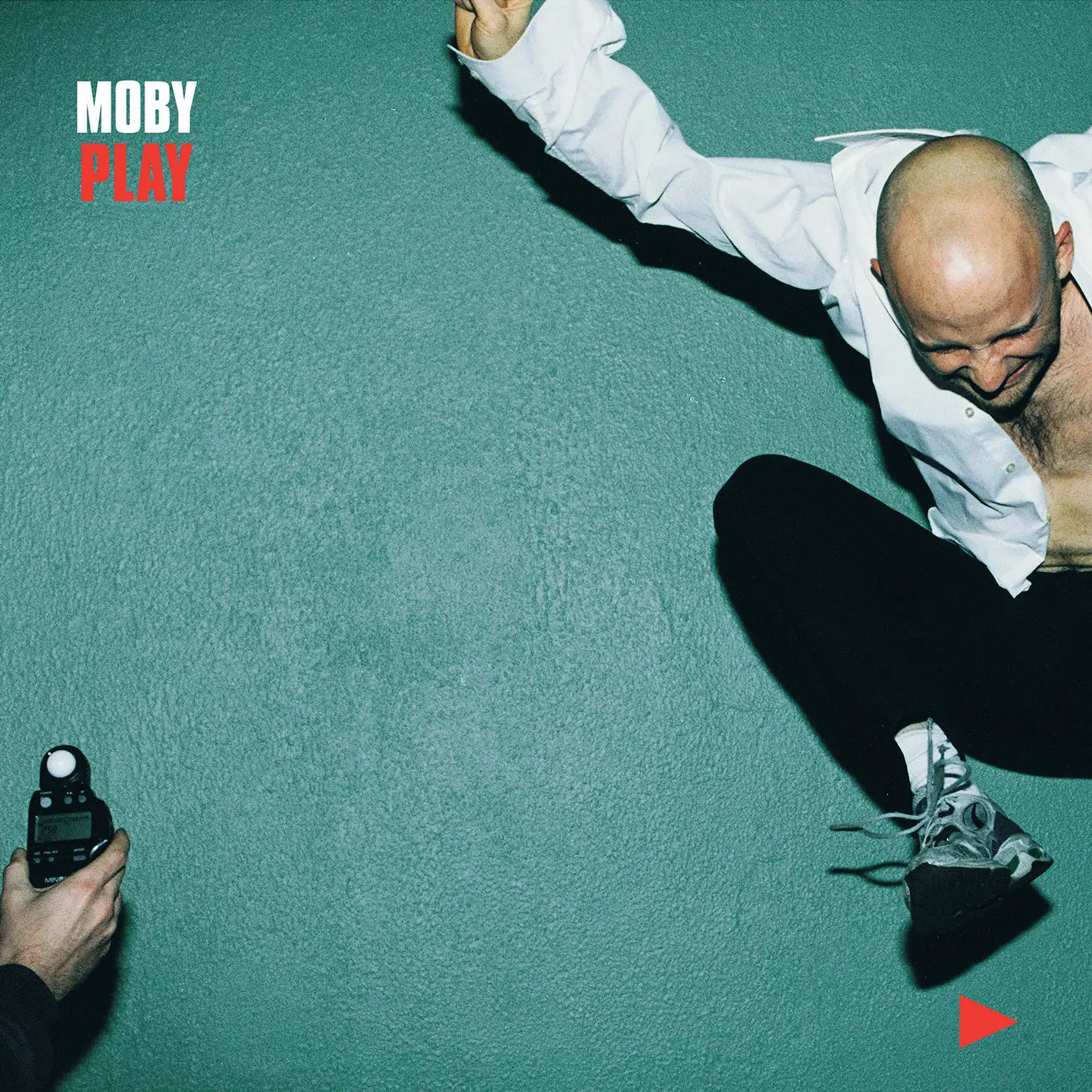
Play proved clearing obscure samples could birth coffee-shop soundtrack era.
Later albums chased punk velocity, orchestral scope, and ambient meditation.
Vegan activism and memoir candour parallel sonic restlessness.
High-bitrate streams reveal vinyl noise beds, sub-bass contour, and transient crunch.
Anthology-style programming that pairs hits with deeper cuts from Moby tends to satisfy both casual and studious listeners.
Moby often functions as a gateway for listeners expanding from mainstream pop into rock-leaning playlists.
High-bitrate streaming benefits vocal-led Electronic, downtempo performances like Moby's when consonants, breath, and room tone stay audible.
Comparing earlier and later eras of Moby is less about ranking and more about hearing how priorities shifted as experience accumulated.
Radio formats that still value craft over novelty keep room for Moby, especially when audiences want human voices up front.
Genre labels only partially describe Moby; the practical test is whether the next track still surprises you on the third repeat.
On longer listening sessions, Moby's catalogue reveals pacing decisions that prevent fatigue: not every track aims for the same emotional peak.
Songwriting credits and production notes around Moby tell a parallel story about collaboration—worth exploring once the singles feel familiar.
New Clear Radio streams curated rock-focused programming with quality up to 320kbps—ideal for hearing guitar-driven records with depth and punch.
Interesting facts about Moby
- American musician born Richard Melville Hall in New York City.
- Play (1999) sold millions partly through unprecedented commercial licensing of its tracks.
- Received Grammy nominations across electronic and alternative categories.