
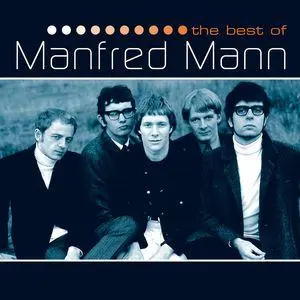
Biography
South African keyboardist Manfred Mann lent his name to a rotating cast of vocalists.
Do Wah Diddy and Mighty Quinn show range from Brill Building cheer to Dylan interpretation.
Earth Band line-up later pursued prog-leaning FM staples separately.
High-bitrate streams keep organ grind, horn punches, and vocal snap.
Festivals and club bills once placed Manfred Mann next to louder neighbours; on record, the contrast often highlights how tightly their arrangements are controlled.
For many fans, Manfred Mann represents a chapter of rock history you can revisit without irony: enthusiasm, melody, and personality that aged into repertoire rather than novelty.
Manfred Mann illustrates how rock dialects traded ideas across regions: rhythm, accent, harmonic colour, and studio philosophy bleeding into shared playlists.
From a playlist-design perspective, Manfred Mann handles tempo lifts and cooldowns equally well, which keeps them versatile on human-curated channels.
If you are new to Manfred Mann, start with whatever single or opening track hooked your era first; the rest of the catalogue usually reveals the same attention to pacing and refrain.
Listeners who discover Manfred Mann through a curated stream often stay for song-first writing: hooks you can recall after one pass, dynamics that reward turning the volume up modestly.
Fan chronicles and reference guides both treat Manfred Mann as a useful landmark when tracing how Rock, R&B moved through radio markets and touring economics.
When headphones replace phone speakers, subtle details in Manfred Mann's arrangements—double-tracked guitars, room ambience, bass note choices—tend to step forward.
New Clear Radio streams curated rock-focused programming with quality up to 320kbps—ideal for hearing guitar-driven records with depth and punch.
Interesting facts about Manfred Mann
- British band formed in London in 1962 around keyboardist Manfred Mann.
- Paul Jones and later Mike d'Abo featured as lead vocalists during hit eras.
- Part of the British Invasion wave that crossed Atlantic radio in the 1960s.