
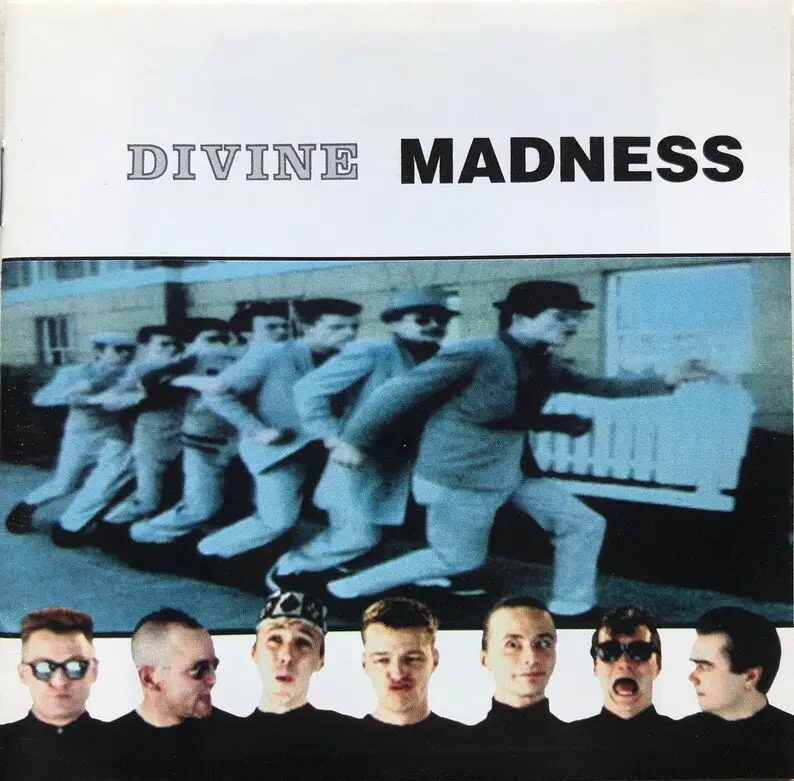
Biography
One Step Beyond and Baggy Trousers made teenage Britain dance in doc martens.
Our House packaged suburban warmth for global earworms.
Later reunions proved catalogue durability far beyond novelty tags.
Remastered audio keeps sax stabs, Farfisa sparkle, and vocal charm.
On human-curated rock formats, Madness often appears alongside peers who share chart timelines, tour circuits, or production aesthetics—context that makes individual songs feel part of a larger conversation.
Madness sits comfortably in Ska, pop programming where guitars, vocals, and rhythm section share the spotlight rather than crowding each other out.
Sound-system shopping and stream-quality debates come back to the same question: does the recording breathe? Madness's better-known masters usually answer yes.
Crate-digging and nostalgia both point toward Madness for different reasons—either sharp melodies or period texture—yet the through-line is durable songwriting.
Within Ska, pop, Madness is frequently associated with confident melodic choices—material that still reads clearly on a modest car speaker yet opens up on headphones.
Turning points in Madness's catalogue—line-up shifts, production changes, bolder experiments—are easier to appreciate when tracks are heard in sequence rather than shuffled blindly.
Cover versions, collaborations, and B-sides from Madness can illuminate influences without requiring a thesis: you hear the filter they apply to familiar rock traditions.
Programmers pairing deep cuts with hits from Madness can illustrate how an act evolved while keeping a recognisable musical signature.
New Clear Radio streams curated rock-focused programming with quality up to 320kbps—ideal for hearing guitar-driven records with depth and punch.
Interesting facts about Madness
- English ska-pop band formed in Camden Town, London in 1976.
- The Rise & Fall (1982) included Our House and House of Fun.
- Brit Award winners including Outstanding Contribution to Music.