
Biography
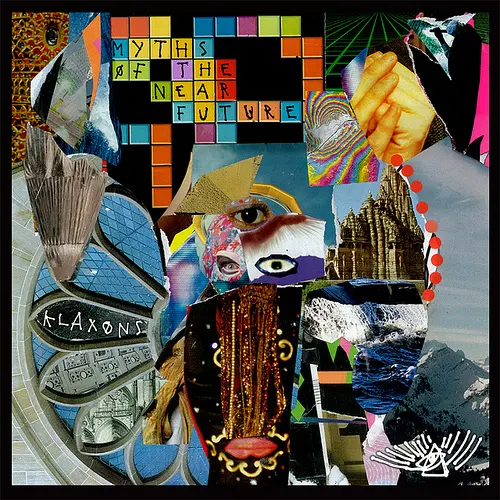
Myths of the Near Future captured blog-era excitement about dance-punk hybrids.
Golden Skans balanced angular riffs with chorus brightness for crossover programmers.
Later albums chased psychedelic textures without abandoning rhythmic twitch.
Lossless audio keeps synth buzz, falsetto stacks, and drum attack edgy.
Turning points in Klaxons's catalogue—line-up shifts, production changes, bolder experiments—are easier to appreciate when tracks are heard in sequence rather than shuffled blindly.
Cover versions, collaborations, and B-sides from Klaxons can illuminate influences without requiring a thesis: you hear the filter they apply to familiar rock traditions.
Programmers pairing deep cuts with hits from Klaxons can illustrate how an act evolved while keeping a recognisable musical signature.
Whether you met Klaxons through radio, film syncs, or friends' mixtapes, the act's imprint on Indie rock, dance-punk remains a common reference across generations.
The emotional register in much of Klaxons's work lands in a range rock radio still programmes daily: sincere without feeling like a lecture.
Great Indie rock, dance-punk radio moments depend on contrast; Klaxons supplies colour that reads as intentional rather than accidental.
Radio sequencing favours acts like Klaxons when a presenter needs a bridge between heavier riff sections and more lyrical, breathable moments.
Even if individual singles peaked at different moments, Klaxons's core identity on record tends to remain identifiable—a useful anchor for discovery.
New Clear Radio streams curated rock-focused programming with quality up to 320kbps—ideal for hearing guitar-driven records with depth and punch.
Interesting facts about Klaxons
- English band formed in London in 2004 associated with the new rave scene.
- Won the Mercury Prize in 2007 for Myths of the Near Future.
- Core members included Jamie Reynolds, James Righton, and Simon Taylor-Davis.