
Biography
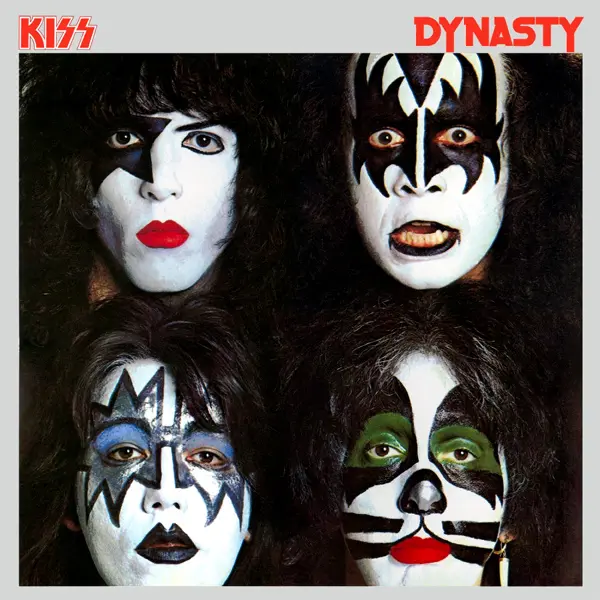
Paul Stanley and Gene Simmons channelled Alice Cooper theatrics into FM-friendly anthems.
Destroyer-era production layered orchestras without neutering guitar grind.
Their live show blueprint influenced every subsequent arena spectacle.
High-bitrate remasters keep rhythm-guitar grind, harmony stacks, and snare crack.
Kiss illustrates how rock dialects traded ideas across regions: rhythm, accent, harmonic colour, and studio philosophy bleeding into shared playlists.
From a playlist-design perspective, Kiss handles tempo lifts and cooldowns equally well, which keeps them versatile on human-curated channels.
If you are new to Kiss, start with whatever single or opening track hooked your era first; the rest of the catalogue usually reveals the same attention to pacing and refrain.
Listeners who discover Kiss through a curated stream often stay for song-first writing: hooks you can recall after one pass, dynamics that reward turning the volume up modestly.
Fan chronicles and reference guides both treat Kiss as a useful landmark when tracing how Hard rock, glam metal moved through radio markets and touring economics.
When headphones replace phone speakers, subtle details in Kiss's arrangements—double-tracked guitars, room ambience, bass note choices—tend to step forward.
Studio craft around Kiss—layering, balance, tone—comes through more honestly when streams avoid aggressive loudness squeeze; that is one reason their tracks suit higher-bitrate listening.
For late-night listening, Kiss offers enough detail to stay alert and enough groove to relax—an undeclared balance many rock stations aim for.
New Clear Radio streams curated rock-focused programming with quality up to 320kbps—ideal for hearing guitar-driven records with depth and punch.
Interesting facts about Kiss
- American rock band formed in New York City in 1973.
- Inducted into the Rock and Roll Hall of Fame in 2014.
- Known for face paint personas: the Starchild, the Demon, the Spaceman, and the Catman across eras.