
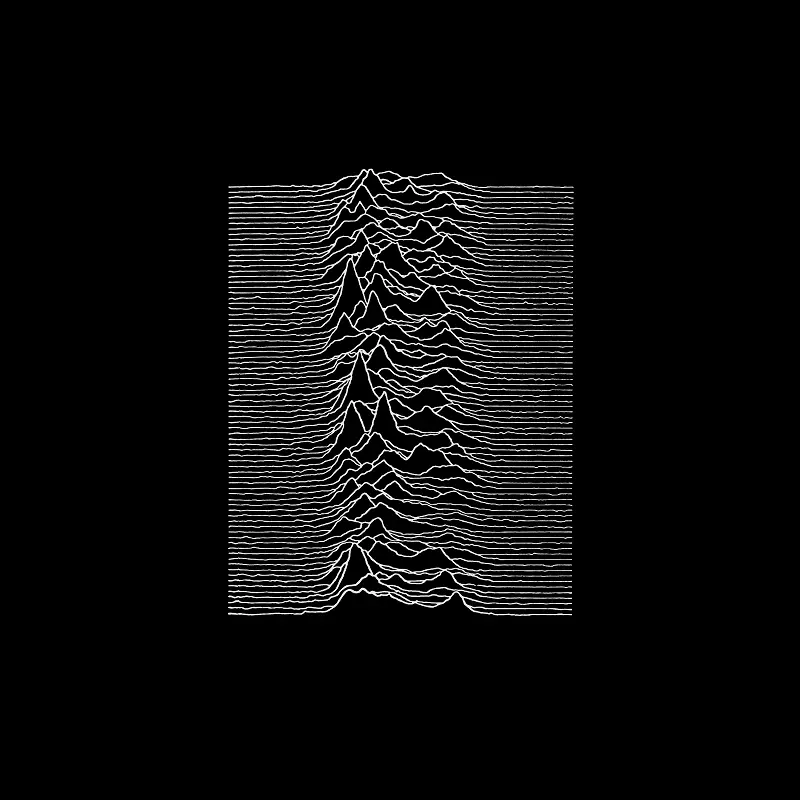
Biography
Unknown Pleasures and Closer rewired rock aesthetics toward space, silence, and motorik unease.
Love Will Tear Us Apart endures as melancholy shorthand beyond its era.
Surviving members formed New Order, extending the sonic vocabulary into dance crossover.
High-bitrate audio keeps dry snare ambiance, chorus bass grind, and vocal tremolo haunting.
Age has not diminished interest in Joy Division for listeners who treat rock as a long thread rather than a single season's fashion.
On human-curated rock formats, Joy Division often appears alongside peers who share chart timelines, tour circuits, or production aesthetics—context that makes individual songs feel part of a larger conversation.
Joy Division sits comfortably in Post-punk, gothic rock programming where guitars, vocals, and rhythm section share the spotlight rather than crowding each other out.
Sound-system shopping and stream-quality debates come back to the same question: does the recording breathe? Joy Division's better-known masters usually answer yes.
Crate-digging and nostalgia both point toward Joy Division for different reasons—either sharp melodies or period texture—yet the through-line is durable songwriting.
Within Post-punk, gothic rock, Joy Division is frequently associated with confident melodic choices—material that still reads clearly on a modest car speaker yet opens up on headphones.
Turning points in Joy Division's catalogue—line-up shifts, production changes, bolder experiments—are easier to appreciate when tracks are heard in sequence rather than shuffled blindly.
Cover versions, collaborations, and B-sides from Joy Division can illuminate influences without requiring a thesis: you hear the filter they apply to familiar rock traditions.
New Clear Radio streams curated rock-focused programming with quality up to 320kbps—ideal for hearing guitar-driven records with depth and punch.
Interesting facts about Joy Division
- English post-punk band formed in Salford in 1976.
- Closer (1980) released shortly after Ian Curtis died in May 1980.
- Influence appears across alternative, goth, and electronic scenes worldwide.