
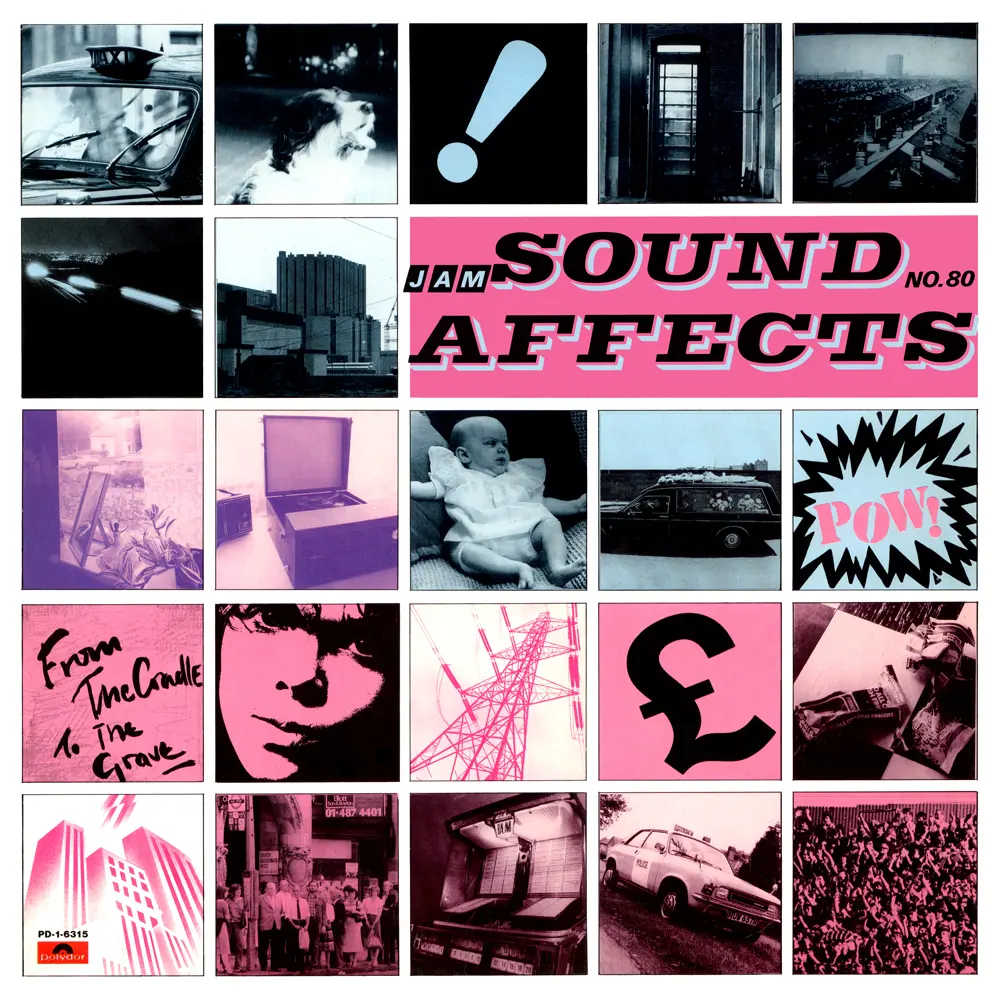
Biography
Paul Weller's Rickenbacker rhythm and Bruce Foxton's melodic bass defined British new wave songcraft.
Going Underground and That's Entertainment remain lyric sheets DJs quote between spins.
Their influence underpins Britpop's melodic discipline without the genre tag existing yet.
Remastered vinyl generations expose punchy drums, Vox grind, and vocal urgency.
Programmers pairing deep cuts with hits from The Jam can illustrate how an act evolved while keeping a recognisable musical signature.
Whether you met The Jam through radio, film syncs, or friends' mixtapes, the act's imprint on Mod revival, punk rock remains a common reference across generations.
The emotional register in much of The Jam's work lands in a range rock radio still programmes daily: sincere without feeling like a lecture.
Great Mod revival, punk rock radio moments depend on contrast; The Jam supplies colour that reads as intentional rather than accidental.
Radio sequencing favours acts like The Jam when a presenter needs a bridge between heavier riff sections and more lyrical, breathable moments.
Even if individual singles peaked at different moments, The Jam's core identity on record tends to remain identifiable—a useful anchor for discovery.
Festivals and club bills once placed The Jam next to louder neighbours; on record, the contrast often highlights how tightly their arrangements are controlled.
For many fans, The Jam represents a chapter of rock history you can revisit without irony: enthusiasm, melody, and personality that aged into repertoire rather than novelty.
New Clear Radio streams curated rock-focused programming with quality up to 320kbps—ideal for hearing guitar-driven records with depth and punch.
Interesting facts about The Jam
- English punk/mod revival band formed in Woking in 1972.
- The Gift (1982) included the UK number-one single Town Called Malice.
- Split at their peak in 1982; Paul Weller formed The Style Council soon after.