
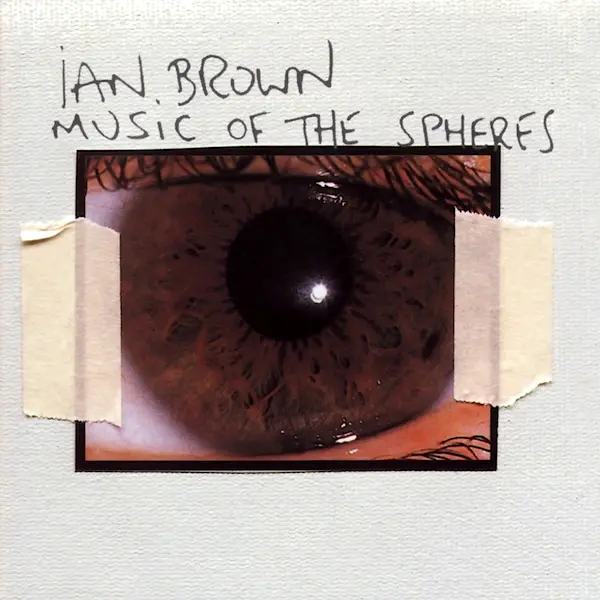
Biography
Brown's solo catalogue stretches baggy-era confidence into dub echoes and electronic pulse.
His voice remains instantly recognisable—conversational menace delivered with rhythmic float.
Programmers pairing Britpop survivors with modern indie names still reach for deeper album cuts.
High-bitrate audio preserves hi-hat grit, nasal proximity, and bass weight that MP3-era encodes hid.
Listeners revisiting Ian Brown after years away frequently notice harmonic details hiding under familiar choruses.
Curated programming can place Ian Brown beside contemporaries without flattening either artist; contrast clarifies what is distinctive in each vocal approach.
Within Indie rock, electronic, Ian Brown often stands out for phrasing choices that feel personal even when arrangements scale up for larger stages.
Ian Brown's recordings reward playback systems that preserve vocal nuance—micro-dynamics matter as much as peak volume.
Turning Ian Brown up a notch on a decent pair of speakers often reveals backing vocals and pads that were never the marketing focus—part of the long-term reward.
When DJs programme Ian Brown, they are leaning on material that still reads as song-driven rather than novelty-driven within Indie rock, electronic.
Ian Brown remains a touchstone in polite arguments among friends over desert-island discographies.
The emotional honesty associated with Ian Brown lands differently depending on the hour—commute energy versus reflective night listening.
New Clear Radio streams curated rock-focused programming with quality up to 320kbps—ideal for hearing guitar-driven records with depth and punch.
Interesting facts about Ian Brown
- English musician born in Warrington; fronted The Stone Roses during their first era.
- Solo debut Unfinished Monkey Business (1998) launched a string of UK-charting albums.
- Reunited with The Stone Roses for live shows in the 2010s between solo activity.