
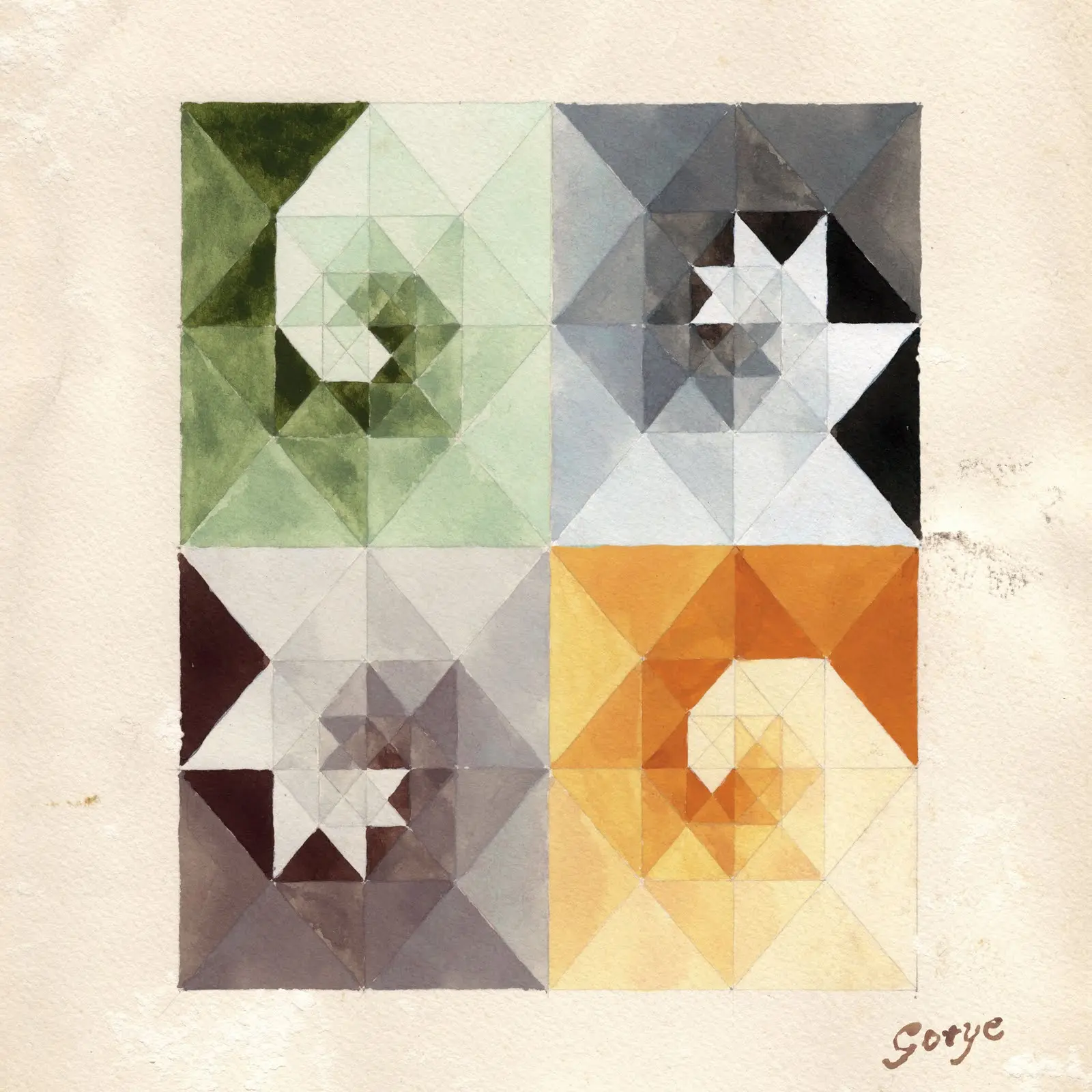
Biography
Gotye built albums like installation pieces, layering organic instruments with deliberate digital fractures.
Somebody That I Used to Know paired Kimbra's counter-voice with minimalist percussion that haunted every format.
Earlier singles such as Hearts a Mess hinted at the melodic sophistication before the breakout arrived.
Lossless playback keeps xylophone attack, vocal breath, and stereo panning precise on headphone systems.
Gotye often functions as a gateway for listeners expanding from mainstream pop into rock-leaning playlists.
High-bitrate streaming benefits vocal-led Art pop, indie pop performances like Gotye's when consonants, breath, and room tone stay audible.
Comparing earlier and later eras of Gotye is less about ranking and more about hearing how priorities shifted as experience accumulated.
Radio formats that still value craft over novelty keep room for Gotye, especially when audiences want human voices up front.
Genre labels only partially describe Gotye; the practical test is whether the next track still surprises you on the third repeat.
On longer listening sessions, Gotye's catalogue reveals pacing decisions that prevent fatigue: not every track aims for the same emotional peak.
Songwriting credits and production notes around Gotye tell a parallel story about collaboration—worth exploring once the singles feel familiar.
For discovery-focused rock streams, Gotye is a natural recommendation when someone asks for melody-led material with live-band weight.
New Clear Radio streams curated rock-focused programming with quality up to 320kbps—ideal for hearing guitar-driven records with depth and punch.
Interesting facts about Gotye
- Belgian-Australian multi-instrumentalist born Wouter De Backer, working under the stage name Gotye.
- Making Mirrors (2011) included Somebody That I Used to Know, a chart-topping worldwide phenomenon.
- Won multiple Grammy Awards in 2013 including Record of the Year for Somebody That I Used to Know.