
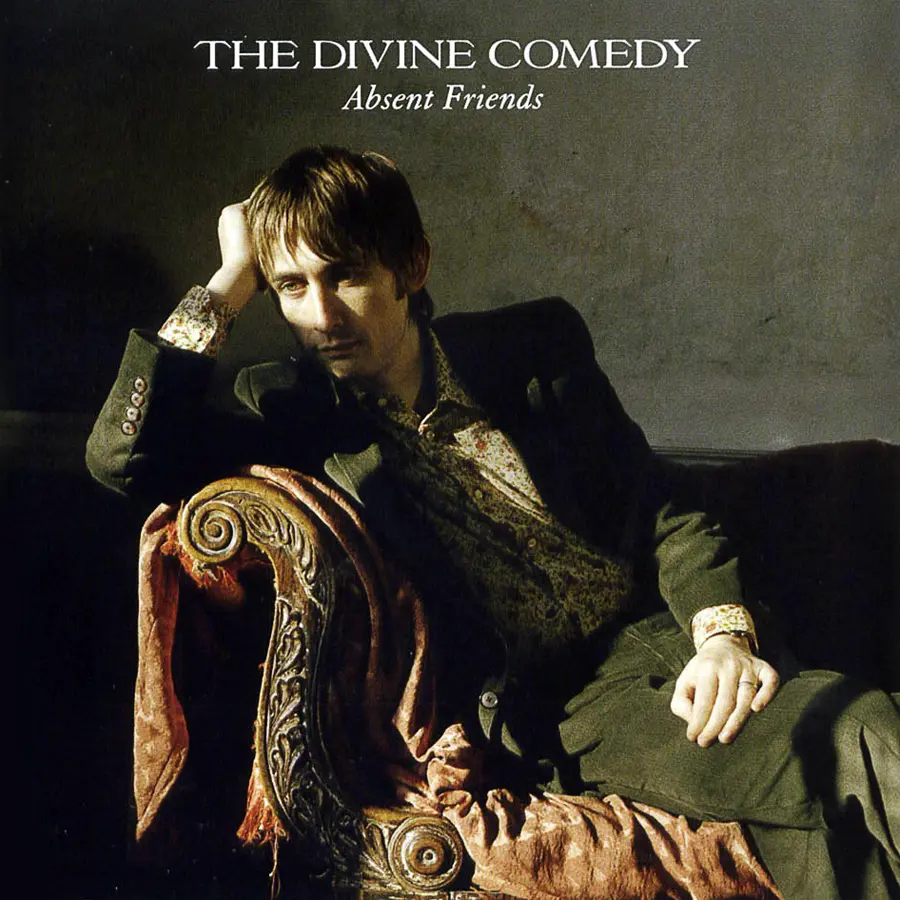
Biography
Neil Hannon wields string sections and music-hall piano like a novelist wielding chapter breaks—each vignette sharply framed.
Songs such as National Express skewer commuter life while disguising hooks singable on first listen.
Programmers who champion literate pop keep his catalogue handy when spacing bombast with dry humour.
Lossless streams preserve orchestral separation and vocal close-mic detail vital to his arranging finesse.
Sound-system shopping and stream-quality debates come back to the same question: does the recording breathe? The Divine Comedy's better-known masters usually answer yes.
Crate-digging and nostalgia both point toward The Divine Comedy for different reasons—either sharp melodies or period texture—yet the through-line is durable songwriting.
Within Chamber pop, orchestral pop, The Divine Comedy is frequently associated with confident melodic choices—material that still reads clearly on a modest car speaker yet opens up on headphones.
Turning points in The Divine Comedy's catalogue—line-up shifts, production changes, bolder experiments—are easier to appreciate when tracks are heard in sequence rather than shuffled blindly.
Cover versions, collaborations, and B-sides from The Divine Comedy can illuminate influences without requiring a thesis: you hear the filter they apply to familiar rock traditions.
Programmers pairing deep cuts with hits from The Divine Comedy can illustrate how an act evolved while keeping a recognisable musical signature.
Whether you met The Divine Comedy through radio, film syncs, or friends' mixtapes, the act's imprint on Chamber pop, orchestral pop remains a common reference across generations.
The emotional register in much of The Divine Comedy's work lands in a range rock radio still programmes daily: sincere without feeling like a lecture.
New Clear Radio streams curated rock-focused programming with quality up to 320kbps—ideal for hearing guitar-driven records with depth and punch.
Interesting facts about The Divine Comedy
- Northern Irish band centred on singer-songwriter Neil Hannon, active since the late 1980s.
- Early album Liberation (1993) and Promenade (1994) built a cult UK following for his orchestral pop.
- Hannon has also composed for theatre, television scores, and collaborative projects beyond the band name.