
Biography
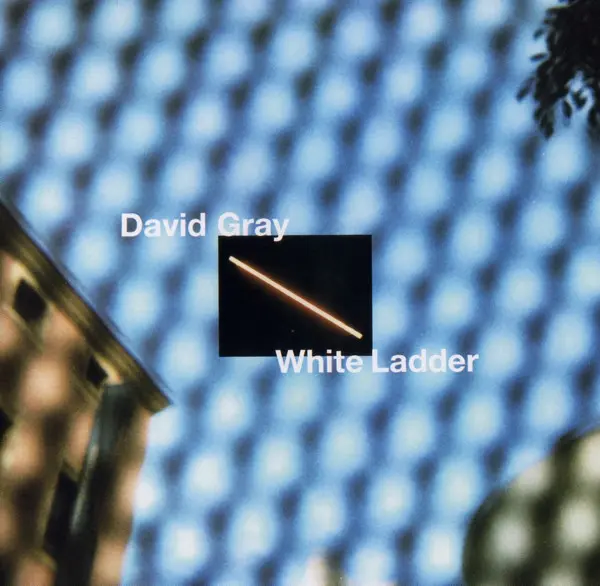
David Gray spent years on the margins before White Ladder’s homemade electronics proved acoustic songs could thump like club tracks.
Babylon and Sail Away became shorthand for earnest early-2000s AAA radio without sacrificing literary lyrics.
His catalogue balances stripped folk confessionals and fuller-band rockers programmers still weave between lighter slots.
Lossless playback keeps shaker particles, drum-machine swing, and vocal rasp intact when laptop speakers flatten them.
When DJs programme David Gray, they are leaning on material that still reads as song-driven rather than novelty-driven within Folk rock, pop rock.
David Gray remains a touchstone in polite arguments among friends over desert-island discographies.
The emotional honesty associated with David Gray lands differently depending on the hour—commute energy versus reflective night listening.
Anthology-style programming that pairs hits with deeper cuts from David Gray tends to satisfy both casual and studious listeners.
David Gray often functions as a gateway for listeners expanding from mainstream pop into rock-leaning playlists.
High-bitrate streaming benefits vocal-led Folk rock, pop rock performances like David Gray's when consonants, breath, and room tone stay audible.
Comparing earlier and later eras of David Gray is less about ranking and more about hearing how priorities shifted as experience accumulated.
Radio formats that still value craft over novelty keep room for David Gray, especially when audiences want human voices up front.
New Clear Radio streams curated rock-focused programming with quality up to 320kbps—ideal for hearing guitar-driven records with depth and punch.
Interesting facts about David Gray
- British singer-songwriter raised in Wales with strong musical ties to Ireland.
- White Ladder (1998, wider success after 2000 reissue) became one of the best-selling albums in UK chart history.
- Early albums such as A Century Ends (1993) established his earnest folk-rock foundation.