
Biography
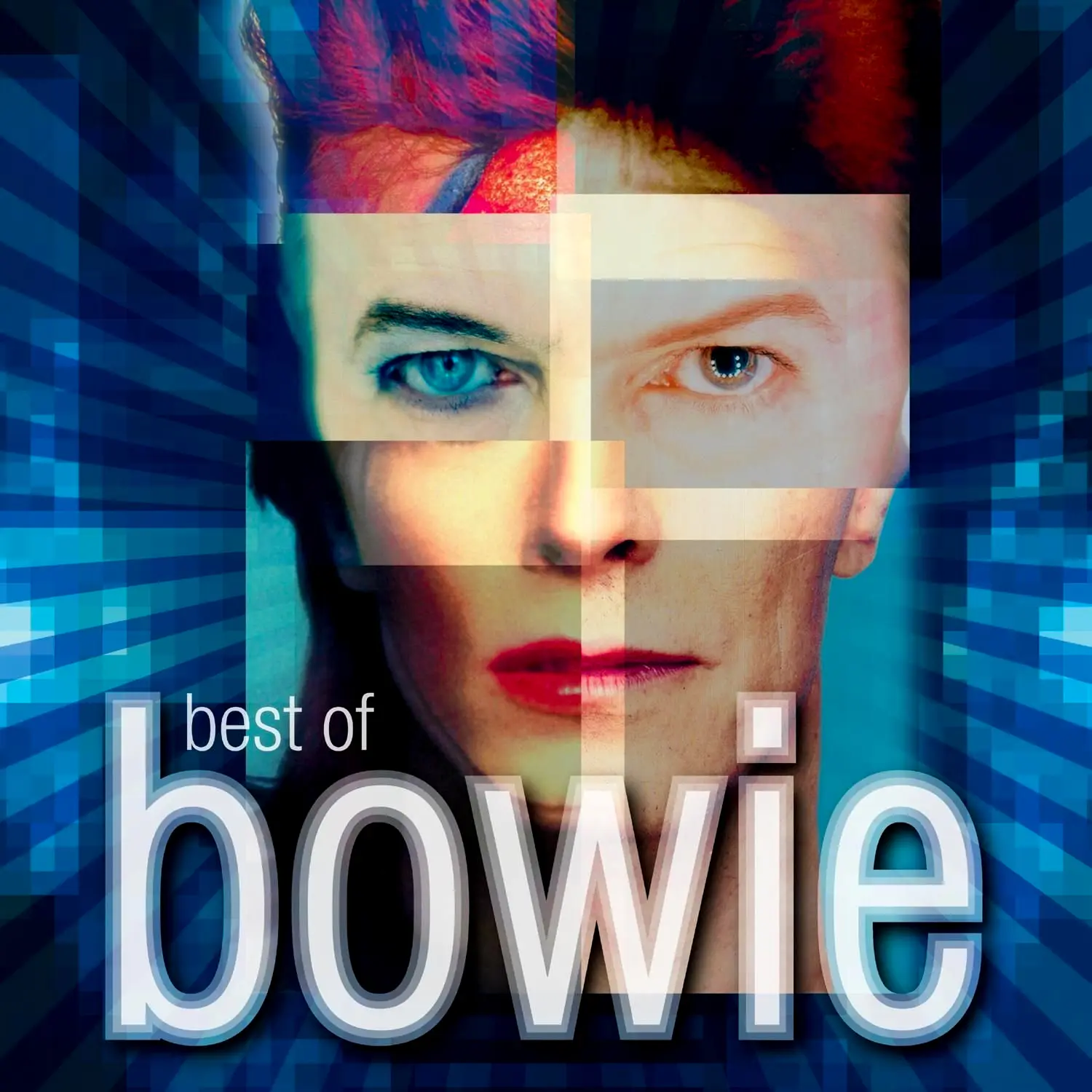
David Bowie treated reinvention as craft, swapping genres while keeping songwriting discipline and vocal theatre intact.
Collaborators from Mick Ronson to Brian Eno to Nile Rodgers each unlocked a distinct sonic wardrobe without erasing his pen.
Radio formats still lean on his singles when they need sophistication that never snobs the chorus.
Remastered streams reveal string grit, saxophone breath, and stereo placements worth a careful headphone pass.
David Bowie remains a touchstone in polite arguments among friends over desert-island discographies.
The emotional honesty associated with David Bowie lands differently depending on the hour—commute energy versus reflective night listening.
Anthology-style programming that pairs hits with deeper cuts from David Bowie tends to satisfy both casual and studious listeners.
David Bowie often functions as a gateway for listeners expanding from mainstream pop into rock-leaning playlists.
High-bitrate streaming benefits vocal-led Art rock, glam rock performances like David Bowie's when consonants, breath, and room tone stay audible.
Comparing earlier and later eras of David Bowie is less about ranking and more about hearing how priorities shifted as experience accumulated.
Radio formats that still value craft over novelty keep room for David Bowie, especially when audiences want human voices up front.
Genre labels only partially describe David Bowie; the practical test is whether the next track still surprises you on the third repeat.
New Clear Radio streams curated rock-focused programming with quality up to 320kbps—ideal for hearing guitar-driven records with depth and punch.
Interesting facts about David Bowie
- English singer-songwriter and actor born David Robert Jones in Brixton, London.
- Landmark albums include The Rise and Fall of Ziggy Stardust and the Spiders from Mars (1972) and Let’s Dance (1983).
- Inducted into the Rock and Roll Hall of Fame in 1996.