
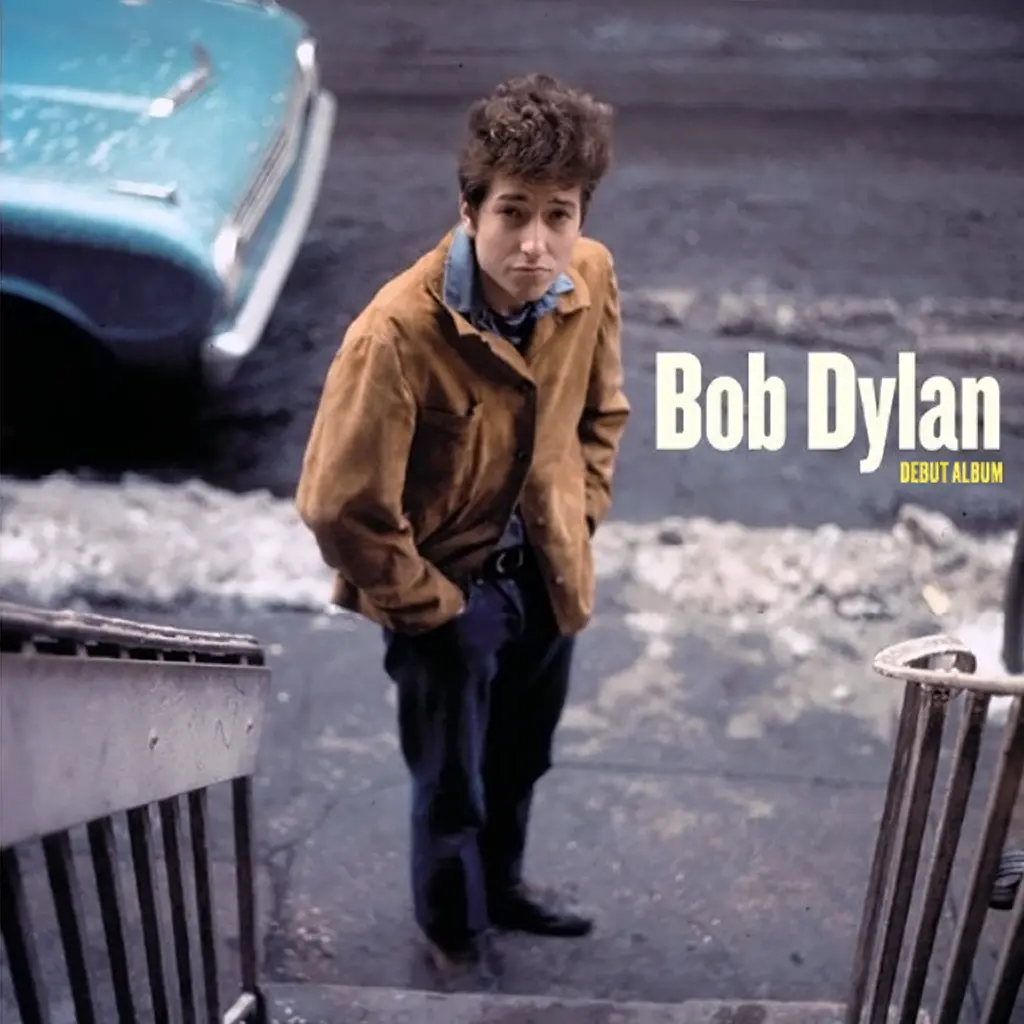
Biography
Bob Dylan rewired popular song by treating lyrics as literature in motion: protest clarity, surrealist collage, religious inquiry, bruised romance—voices swapped album to album without losing authorial spine.
His turn to electric rock in the mid-1960s scandalised purists yet expanded what guitar bands could say on airwaves built for simpler emotions.
Decades of revisiting arrangements live proved these songs aren’t museum pieces—they stretch, snap back, mutate.
On radio, Dylan remains a benchmark for wordcraft; playback that preserves vocal grain beats polish that sands his phrasing flat.
Bob Dylan exemplifies how solo artistry and session musicianship can blend: polish when needed, grit when the lyric demands it.
Listeners revisiting Bob Dylan after years away frequently notice harmonic details hiding under familiar choruses.
Curated programming can place Bob Dylan beside contemporaries without flattening either artist; contrast clarifies what is distinctive in each vocal approach.
Within Folk rock, Americana, Bob Dylan often stands out for phrasing choices that feel personal even when arrangements scale up for larger stages.
Bob Dylan's recordings reward playback systems that preserve vocal nuance—micro-dynamics matter as much as peak volume.
Turning Bob Dylan up a notch on a decent pair of speakers often reveals backing vocals and pads that were never the marketing focus—part of the long-term reward.
When DJs programme Bob Dylan, they are leaning on material that still reads as song-driven rather than novelty-driven within Folk rock, Americana.
Bob Dylan remains a touchstone in polite arguments among friends over desert-island discographies.
New Clear Radio streams curated rock-focused programming with quality up to 320kbps—ideal for hearing guitar-driven records with depth and punch.
Interesting facts about Bob Dylan
- American singer-songwriter born Robert Allen Zimmerman in 1941.
- Awarded the Nobel Prize in Literature in 2016.
- Inducted into the Rock and Roll Hall of Fame in 1988.