
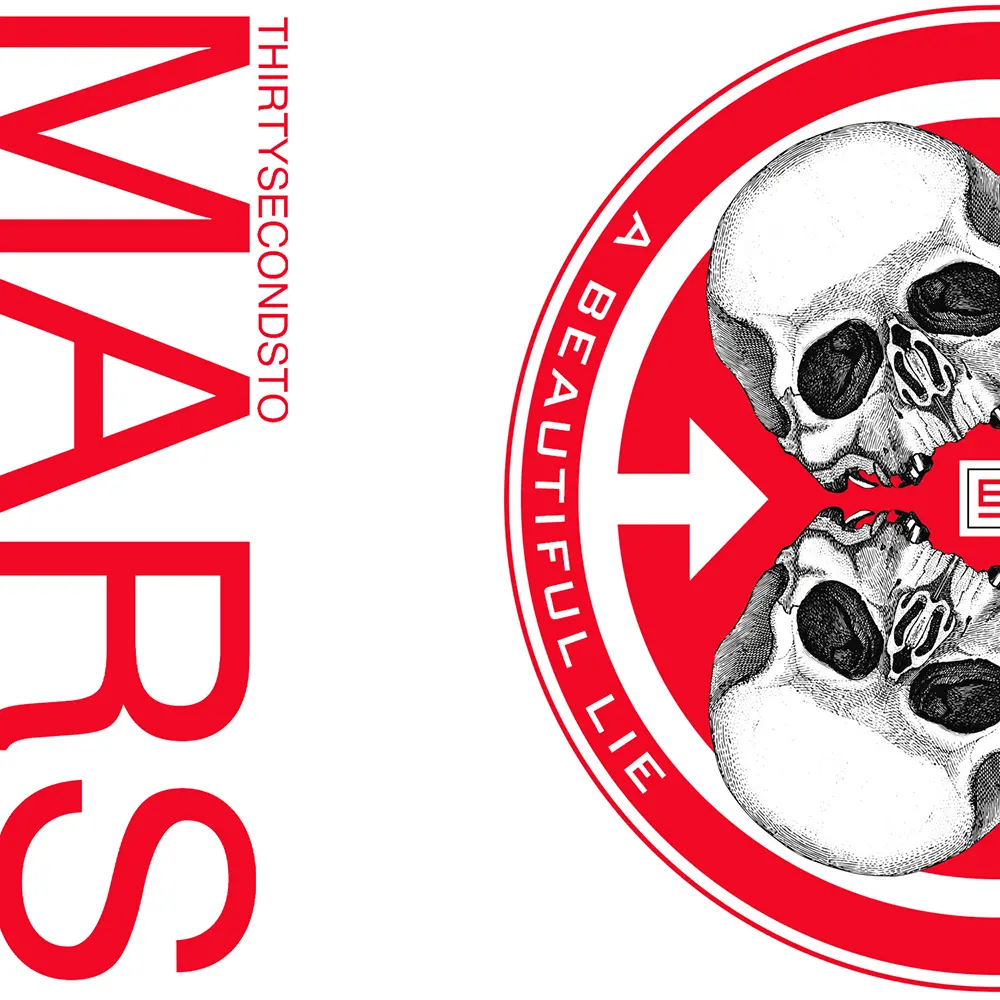
Biography
30 Seconds to Mars emerged from Los Angeles in the late 1990s around brothers Jared Leto and Shannon Leto. The project quickly became known for combining alternative rock muscle with electronic shimmer and an almost cinematic sense of scale.
Their early records established a template: guitars wide enough to fill a field, rhythms that lean forward, and vocals that treat every chorus like a final act twist. As the catalog grew, the band pushed further into synths and modern production without abandoning the core fan expectation—big, singable emotion.
Lyrically, songs often wrestle with identity, struggle, and transcendence—topics that land hard when you’re listening loud. The live show reputation matters too: this is music written to be felt in a room, not only scrolled past on a timeline.
For rock radio listeners, 30 Seconds to Mars are a dependable bridge between modern alternative playlists and the part of your brain that still wants a proper, fist-pumping hook.
On human-curated rock formats, 30 Seconds to Mars often appears alongside peers who share chart timelines, tour circuits, or production aesthetics—context that makes individual songs feel part of a larger conversation.
30 Seconds to Mars sits comfortably in Alternative rock programming where guitars, vocals, and rhythm section share the spotlight rather than crowding each other out.
Sound-system shopping and stream-quality debates come back to the same question: does the recording breathe? 30 Seconds to Mars's better-known masters usually answer yes.
Crate-digging and nostalgia both point toward 30 Seconds to Mars for different reasons—either sharp melodies or period texture—yet the through-line is durable songwriting.
Within Alternative rock, 30 Seconds to Mars is frequently associated with confident melodic choices—material that still reads clearly on a modest car speaker yet opens up on headphones.
Turning points in 30 Seconds to Mars's catalogue—line-up shifts, production changes, bolder experiments—are easier to appreciate when tracks are heard in sequence rather than shuffled blindly.
Cover versions, collaborations, and B-sides from 30 Seconds to Mars can illuminate influences without requiring a thesis: you hear the filter they apply to familiar rock traditions.
Programmers pairing deep cuts with hits from 30 Seconds to Mars can illustrate how an act evolved while keeping a recognisable musical signature.
New Clear Radio streams curated rock-focused programming with quality up to 320kbps—ideal for hearing guitar-driven records with depth and punch.
Interesting facts about 30 Seconds to Mars
- Founded in Los Angeles; core members have included Jared Leto (vocals/guitar) and Shannon Leto (drums).
- Released their self-titled debut album in 2002.
- Won multiple awards internationally and is known for ambitious stadium-scale live production.